
Rockwool Insulation Installers in Nashville
Are you a property owner in Nashville Tennessee searching for insulation installers near you? Look no further; our technicians and expertise will meet all of your insulation needs.
Professional Insulation Installers in Nashville
Are you in Nashville, Tennessee and need experienced Rockwool insulation contractors? Look no further; we have all your insulation needs covered!
Rockwool insulation is an ideal choice for homeowners seeking to improve their energy efficiency and lower utility costs in their home. Crafted from natural stone, this type of insulation offers unparalleled performance as an efficient fire-retardant that also lowers water-use bills while mitigating noise pollution levels.
Experienced in installing various high-performing insulation materials, we can ensure your business or living space is properly insulated for optimal comfort and savings.
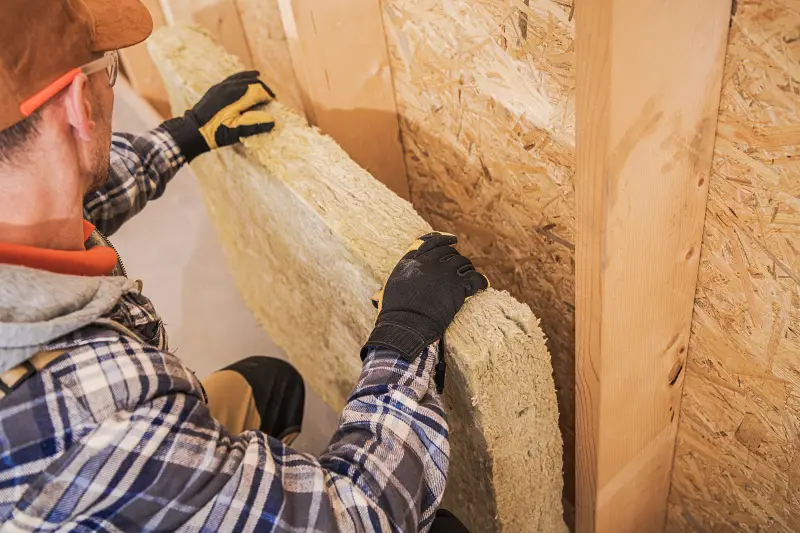
Experience installing rockwool insulation for homeowners in Nashville is our forte as licensed contractors insured to protect employees and clients alike. We’re happy to answer questions, provide free consultations, and price quotes if desired.
Benefits Of Rockwool
Rockwool insulation is an increasingly popular choice among both homeowners and builders looking for efficient means of insulating their homes or buildings, especially since its composition includes volcanic rock. Made up of dense fibers made up of microscopic spheres that make up its composition, Rockwool offers thermal insulation, soundproofing, fire, water, and mold resistance. Let’s take a closer look at its many benefits such as keeping families comfortable all year long while cutting heating/cooling costs as well as other advantages that make Rockwool an investment worth considering for any home or building.
Keeps Your Family Comfortable All Year Round
Rockwool insulation is an outstanding thermal insulator. By reducing heat transfer, this high-density material helps ensure an even temperature inside of any building or home – and ultimately keeps you and your family comfortable regardless of outside climate conditions.
Can Reduce Heating And Cooling Costs By Up To 40%
Rockwool insulation provides such effective thermal insulation that it helps save on energy consumption for heating or cooling, leading to significant savings on utility bills – with estimates suggesting up to 40% savings!
Superior Sound Deadening Capabilities
Rockwool insulation not only offers thermal insulation properties, but it also boasts exceptional soundproofing qualities. This high-density material absorbs sound waves to reduce noise transmission – making it an excellent choice for homes or buildings located in noisy areas or rooms requiring extra soundproofing such as home theaters or music studios.
Naturally Fire Resistant
Rockwool insulation is made of volcanic rock, making it naturally resistant to fires. With a high melting point and no toxic gases or smoke being released when exposed to flames, making this material an excellent choice for use in homes or buildings in areas prone to wildfires or other fire hazards.
Water Resistant = Mold Resistant
Rockwool insulation is naturally resistant to water and mold damage, as it absorbs no moisture or food for mold growth. This makes it the ideal choice for areas prone to humidity such as bathrooms, kitchens, and basements.
Easy Installation Process
Rockwool insulation is easy and cost-effective way to increase insulation levels within any home, with no special tools or equipment necessary for its installation. This makes it a practical choice for homeowners seeking to increase home insulation levels.
Contact Us For A Free Insulation Quote
Eco-Friendly Home Insulation Solutions
Griffin Insulation can help you with all your attic insulation requirements. Our team is dedicated to providing top-notch service that keeps your home comfortable and energy-efficient.
Are you tired of being hot in summer and cold in winter? Griffin Insulation can help! With our attic insulation, you can enjoy your home all year long. Call Griffin Insulation to stop sweating during those uncomfortable seasons! We are here to keep you cool…and warm.
We Offer Competitive Pricing
Our Insulation Installers
Mineral wool insulation is also called rockwool insulation. It’s a type of insulation that’s widely used in buildings. Rockwool insulation is made from natural rock materials such as diabase or basalt that have been melted down and spun into fibers. It comes in rolls or batts for easy installation on walls, ceilings, or floors.
Our installers at Griffin Insulation are available to answer questions, offer a free consultation, and provide a free estimate.
Insulation With Sound Deadening Capabilities
It is not just a great thermal insulator; it has remarkable sound dampening properties. This type of insulation, with its unique fiber structure is used to soundproof buildings in areas that require noise control.
Sound waves travel in the air, colliding with materials. This causes those materials to vibrate. The vibrations create noise, which we perceive as sound. Rockwool insulation dampens sound by stopping these vibrations.

Rockwool’s ability to dampen sound is due to its composition, which is high density and clever design. The fibers of Rockwool insulation are arranged in such a way as to trap sound waves and dissipate their energy. This creates a maze-like pattern for sound waves, reducing their intensity while they bounce.
It is ideal for high-sound buildings, like factories, recording studios, and theaters. Installed in walls, ceilings and floors to improve acoustics and dampen noise. Rockwool insulation also reduces external noises such as aircraft or traffic noise.
Frequently Asked Questions
Add Your Heading Text Here
What is rockwool insulation and how does it work?
Rockwool insulation, also known as mineral wool insulation or stone wool insulation, is a type of insulation material commonly used in buildings to improve their energy efficiency and thermal performance. It is made from natural rock materials, primarily basalt or diabase, which are heated to extremely high temperatures and then spun into fine fibers. These fibers are then bonded together using a binder, usually a thermosetting resin, to create a dense and durable insulation product.
Rockwool insulation works by trapping air within its fibrous structure, which helps to reduce heat transfer through conduction, convection, and radiation. Here’s a breakdown of how it works:
Thermal insulation: Rockwool insulation is an excellent thermal insulator. The trapped air pockets within the fibers prevent the transfer of heat energy. It slows down the movement of heat from warm areas to cooler areas, keeping the indoor environment comfortable and reducing the need for excessive heating or cooling.
Acoustic insulation: Rockwool insulation also provides excellent sound absorption properties. The dense and porous structure of the material helps to reduce airborne sound transmission, making it an effective solution for reducing noise from outside sources or between rooms.
Fire resistance: Rockwool insulation has inherent fire-resistant properties. It has a high melting point and does not contribute to the spread of flames. In case of a fire, it can help contain the fire and provide valuable time for occupants to evacuate the building safely.
Moisture resistance: Rockwool insulation is non-hygroscopic, meaning it does not absorb moisture. It repels water and allows moisture to drain or evaporate, preventing the growth of mold or mildew and maintaining its insulating performance over time.
Durability and longevity: Rockwool insulation is known for its durability and long lifespan. It does not shrink, settle, or degrade over time. It maintains its shape and insulating properties for decades, providing consistent thermal and acoustic performance.
As for the different names for rockwool insulation, it is often referred to as mineral wool insulation or stone wool insulation due to its composition. These names emphasize the natural materials used in its production, highlighting its origins from rocks and minerals. These terms are often used interchangeably to describe the same type of insulation material.
Is Rockwool insulation safe to install?
Yes, rockwool is safe to handle, but you must follow the safety guidelines. When working with Rockwool, wear protective clothing and eye protection to prevent irritation of the skin and lungs. Follow the instructions and recommendations of the manufacturer to reduce any safety risks.
Is Rockwool insulation eco-friendly?
Rockwool insulation can be recycled. Made from 100% recyclable natural rock materials. It helps reduce energy consumption and thereby the carbon footprint of a building.
Are there any potential drawbacks or considerations to keep in mind when using rockwool insulation?
When using rockwool insulation, there are several potential drawbacks and considerations to keep in mind. These include:
Skin irritation: Rockwool is made from spun fibers of molten rock and can cause skin irritation if proper precautions are not taken. It is advisable to wear protective clothing, gloves, and a mask when handling rockwool insulation.
Respiratory issues: The fine fibers of rockwool can become airborne during installation or removal, which may pose a risk if inhaled. Prolonged exposure to these fibers can lead to respiratory irritation or, in rare cases, respiratory diseases. It is crucial to follow safety guidelines, such as wearing a mask or respirator, to minimize inhalation of airborne particles.
Installation challenges: Compared to other types of insulation, rockwool can be heavier and more rigid, making it slightly more challenging to handle and install. It may require special cutting tools or techniques, as well as additional support structures, particularly in overhead or vertical installations.
Moisture absorption: Rockwool has a propensity to absorb and retain moisture. If not properly protected or installed with moisture barriers, it may lose its insulating properties over time or become a breeding ground for mold and mildew.
Environmental considerations: While rockwool is an effective insulator, the production process involves energy-intensive procedures and the use of non-renewable resources. Additionally, the disposal of rockwool insulation at the end of its life cycle may contribute to landfill waste.
Sound insulation limitations: While rockwool provides thermal insulation, its soundproofing capabilities are limited. If sound insulation is a primary concern, additional measures such as using acoustic panels or other specialized materials may be necessary.
Cost considerations: Rockwool insulation can be more expensive compared to some other insulation materials. It is important to consider the upfront cost when budgeting for insulation projects.
It’s worth noting that many of these drawbacks and considerations can be mitigated or addressed by following proper safety guidelines, working with trained professionals, and using appropriate protective measures during installation and maintenance. Consulting with experts or conducting thorough research specific to your project can provide further insights into the suitability and potential challenges of using rockwool insulation.
How does Rockwool insulation compare to other insulation materials?
Rockwool insulation is superior to fiberglass insulation in terms of sound absorption. It is non-combustible and therefore ideal for fire-resistant applications. Rockwool insulation also has a greater R-value than other insulation materials, such as cellulose or fiberglass. This means that it offers better thermal insulation.
Can Rockwool insulation cause health problems?
Rockwool insulation can cause respiratory irritation when inhaled. Wearing protective gear such as masks and gloves when handling Rockwool insulation can minimize this irritation. To reduce the risk of health issues, it is important to adhere to the manufacturer’s recommendations and instructions when installing Rockwool Insulation.
Can rockwool insulation help with soundproofing and reducing noise transmission?
Yes, rockwool insulation can be highly effective in soundproofing and reducing noise transmission. Its dense and fibrous structure makes it an excellent material for absorbing sound waves and reducing airborne sound transmission.
When sound waves encounter rockwool insulation, they penetrate the material and cause the fibers to vibrate. These vibrations convert the sound energy into heat energy through friction, effectively reducing the sound intensity. The trapped air pockets within the insulation also help to disrupt the transmission of sound waves, further enhancing its soundproofing capabilities.
Rockwool insulation is commonly used in various applications to control and minimize noise levels. Here are a few examples:
Residential buildings: Rockwool insulation can be installed within walls, floors, and ceilings to minimize the transfer of sound between rooms. It helps to reduce the impact of noise from neighboring rooms, street traffic, or external sources, creating a more peaceful and comfortable living environment.
Commercial buildings: Offices, conference rooms, and other commercial spaces often utilize rockwool insulation to create soundproof barriers. It helps to improve speech intelligibility, prevent sound leakage, and maintain privacy within different areas of the building.
Entertainment venues: Theaters, recording studios, and concert halls benefit from rockwool insulation due to its superior acoustic properties. It helps to absorb reverberation, reduce echoes, and enhance the overall sound quality within these spaces.
HVAC systems: Rockwool insulation is also utilized to line air ducts and HVAC systems. It helps to reduce the noise generated by airflow, fans, and mechanical equipment, ensuring a quieter and more comfortable indoor environment.
It’s important to note that while rockwool insulation can significantly reduce airborne sound transmission, it may not completely eliminate all types of noise. Other factors such as building design, construction materials, and structural components can also influence soundproofing capabilities. Therefore, a comprehensive approach that combines rockwool insulation with other soundproofing techniques may be necessary to achieve optimal results.
How does rockwool insulation perform in terms of fire resistance and preventing the spread of flames?
Rockwool insulation performs exceptionally well in terms of fire resistance and preventing the spread of flames. It is renowned for its excellent fire-resistant properties, making it a popular choice for fire safety in buildings. Here’s how rockwool insulation performs in relation to fire:
High melting point: Rockwool insulation has a high melting point, typically around 1,100 to 1,200 degrees Celsius (2,012 to 2,192 degrees Fahrenheit). This means that even when exposed to intense heat, the insulation material does not readily melt or contribute to the spread of flames. It helps to contain the fire and prevent its rapid escalation.
Non-combustible: Rockwool insulation is non-combustible, meaning it does not burn when exposed to flames. This property significantly reduces the risk of fire propagation within a building. It does not release toxic gases or emit smoke when subjected to fire, thereby enhancing the safety of occupants.
Fire containment: When used in construction, rockwool insulation acts as a barrier to the spread of flames. It can be installed within wall cavities, floors, and ceilings, effectively compartmentalizing the building and preventing fire from spreading to adjacent areas. This containment helps to buy valuable time for occupants to evacuate safely and for emergency responders to control the fire.
Thermal insulation during fire: In addition to its fire resistance, rockwool insulation also provides thermal insulation during a fire incident. It helps to minimize heat transfer through walls and other structural elements, protecting the integrity of the building and reducing the risk of structural collapse.
Fire rating compliance: Rockwool insulation is widely tested and certified for its fire performance by various regulatory bodies and standards organizations. It typically achieves high fire ratings, such as Class A or Class 1, which are indicative of its excellent fire resistance and low flame spread characteristics.
Due to its exceptional fire-resistant properties, rockwool insulation is commonly used in applications where fire safety is a critical concern, such as commercial buildings, industrial facilities, and public spaces. It helps to enhance the overall fire performance of a building and provides valuable protection to occupants and property.
Business Hours
Monday: 8:00 AM – 5:00 PM
Tuesday: 8:00 AM – 5:00 PM
Wednesday: 8:00 AM – 5:00 PM
Thursday: 8:00 AM – 5:00 PM
Friday: 8:00 AM – 5:00 PM
Saturday: Closed
© 2026 Griffin Insulation | Sitemap | Privacy | Insulation Leads
This site is a free service to assist homeowners in connecting with local service contractors. All contractors are independent and this site does not warrant or guarantee any work performed. It is the responsibility of the property owner to verify that the hired contractor furnishes the necessary license and insurance required for the work being performed.